How do we help ourselves and our children remain steadfast when we encounter Islamophobia, prejudice, and hostility because of our Muslim identity? How can we ensure that difficult experiences do not weaken our resolve, distort our understanding of reality, or lead us to feel helpless?
This introductory video explores how our Islamic worldview, rooted in Tawḥīd and guided by the Qur’an and Sunnah, shapes our dispositions, perspectives, and actions. Drawing on the example of the Prophet Muhammad ﷺ and the powerful message of Surah Ad-Duḥā, the video highlights how our faith can help us maintain the right perspective, recognize that Allah has not abandoned us, and continue doing what is right despite the challenges we face.
This video introduces a series on building resilience through an Islamic worldview, not by ignoring the difficulties around us, but by learning to understand and respond to them through the guidance in the Qur’an and Sunnah.
Recommendation for Parents
If your children are in Grade 4 or above, consider watching this video together and using it as an opportunity to discuss how we respond to prejudice, how our beliefs shape our outlook, and how we can remain hopeful and steadfast in challenging circumstances. You do not need to have all the answers. Sometimes, the most valuable thing we can offer our children is a safe space to ask questions, express their concerns, and reflect on the guidance of the Qur’an together.
For younger children, the discussion questions below can help introduce some of these ideas in an age-appropriate way, without requiring them to watch the entire video.
Guiding Questions for Family Discussion
Use the questions that best suit your child’s age, maturity, and experiences. You do not need to cover them all in one sitting. Allow the conversation to develop naturally, and reassure your children that they can share their feelings honestly.
Grades 1–3: Building a Foundation of Faith and Hope
Focus on helping children understand that Allah cares for us, that difficult experiences do not define us, and that we can always try to do what is right.
Who is Allah, and how does Allah take care of us?
How might you feel if someone said something unkind about you or your Muslim identity?
What can you do when you feel sad, worried, or afraid?
Does someone else’s unkind behavior mean that you should stop being kind? Why or why not?
In Surah Ad-Duḥā, Allah reminds the Prophet ﷺ that He had not abandoned him. What does this teach us about Allah?
What is one good thing you can do when someone treats you unfairly?
A simple takeaway: Even when life is difficult, we can turn to Allah, seek help from trusted adults, and continue trying to do what is right.
Grades 4–6: Understanding Our Perspectives and Responses
Encourage children to reflect on how their beliefs influence the way they interpret experiences and decide what to do next.
How can two people experience the same situation but respond differently?
If someone makes an unfair comment about Muslims, how might that experience affect the way a Muslim child feels about themselves or others?
What does it mean to feel helpless? Can you think of a time when someone might give up even though there are still things they can do?
How does remembering Allah and reflecting on the Qur’an help us see a difficult situation differently?
What can we learn from Surah Ad-Duḥā about responding to discouragement and the feeling of being abandoned?
What are some constructive things we can do when we experience or witness anti-Muslim prejudice?
A simple takeaway: We may not control how others treat us, but with Allah’s guidance, we can work on how we understand our experiences and how we respond to them.
Grades 7 and Above: Developing a Resilient Islamic Worldview
Invite older children and teens to examine their assumptions, explore the relationship between faith and action, and consider how resilience can translate into meaningful responses to injustice.
How does a person’s worldview shape their interpretation of events? How might an Islamic worldview change the way we understand hostility or rejection?
The video discusses how repeated negative experiences can lead to learned helplessness. How might this affect a young Muslim’s confidence, identity, or willingness to act?
What is the difference between acknowledging an injustice and allowing that injustice to define how we see ourselves, our future, or our relationship with Allah?
How does Surah Ad-Duḥā challenge the assumption that present hardship means Allah has abandoned us?
The video connects īmān, intentions, dispositions, perspectives, and actions. How do these influence one another? Can you think of an example from everyday life?
What does it mean to trust that Allah is in control while still taking practical steps to address injustice?
How can Muslims respond to Islamophobia in ways that are principled, courageous, wise, and consistent with the Qur’an and Sunnah?
How can we distinguish between a realistic assessment of a difficult situation and a perspective that leads us to unnecessary hopelessness?
What role can individuals, families, schools, and communities play in helping young Muslims develop resilience without minimizing their experiences?
After watching this video, is there a perspective or disposition you would like to strengthen in your own life? What practical action could help you do so?
A simple takeaway: Resilience is not passive acceptance of injustice. It is the ability to remain grounded in faith, maintain a sound perspective, and continue taking principled action even when the path is difficult.
A Final Reflection for Parents & Educators
As parents and educators, we have an important role in helping our children develop more than the ability to cope with difficult circumstances. We want them to develop an Islamic worldview that helps them understand those circumstances, recognize their responsibilities, and respond with faith, wisdom, and courage.
The goal is not to shield our children from every difficult reality, nor to burden them with fears that are not theirs to carry. Rather, it is to equip them with the guidance of the Qur’an and Sunnah so that they can navigate life’s challenges with confidence in Allah, a clear sense of purpose, and a commitment to doing what is right despite the circumstances.
May Allah grant us and our children steadfastness (istiqāmah), strengthen our īmān, and guide us to respond to every challenge in ways that please Him.
There are many resources out there that share tips on how to get back on track. I must say that they have lots of good tips but they come from a very secular and materialistic paradigm and are mixed with elements that may be contrary to the goals of tarbiyah. I wanted to share tips that will not only help you to get back on track but to do so by reconnecting with our Islamic values and priorities.
Tip 1: Reflection Time (Tafakkur تفكر)
Winter breaks are often an unstructured time for children, and many want to just unplug from any “brain heavy” activities. Additionally, the fast paced, digitally connected lives we live do not really afford us the time and space to reflect. Provide opportunities during the first day back for students to reflect by planning a variety of reflection activities. Reflections should focus on intentions (purpose), experience over the break, reality check and goals moving forward.
Renew Intentions (Niyyah نية)
Most of us are aware of the famous hadith narrated to us by Omar Ibn Al-Khattab (ra) in which the Prophet (saw) highlighted how our actions are judged by our intentions:
It is narrated on the authority of Amir al-Mu’minin (Leader of the Believers), Abu Hafs ‘Umar bin al-Khattab (may Allah be pleased with him), who said: I heard the Messenger of Allah (peace be upon him), say: “Actions are according to intentions, and everyone will get what was intended. Whoever migrates with an intention for Allah and His messenger, the migration will be for the sake of Allah and his Messenger. And whoever migrates for worldly gain or to marry a woman, then his migration will be for the sake of whatever he migrated for.” Related by Bukhari & Muslim.
Many people focus on their external states (actions) and neglect their internal states (intentions). This hadith emphasizes the importance of maintaining that balance between our internal and external states. It is also interesting that the Prophet ﷺ is using a transition point (migration) to illustrate the importance of renewing our intentions during transitions. As we transition from the break back to school, it is important that we reflect on this hadith with our students and renew our intentions using this recommended outline:
Why am I doing what I am doing? Is it to please Allah ﷻ or for another reason?
Rewards for seekers of knowledge: Reminding ourselves and our students of the great reward and honor Allah ﷻ has kept for the merchants of knowledge will put things in the right perspective for us and help us to realign our intentions for the right reasons. The chapter in Riyad us-Saliheen by Imam Al-Nawawi on Seeking Knowledge is an excellent read on this topic.
• Riyā (رياء) – Showing off: Nothing ruins sincerity of our intentions; hence, makes our actions worthless, as much as showing off! The social media culture we live in makes us thrive on self-aggrandizement. Shaytan will present us with many opportunities as we come back to school to “toot our horn” in a variety of ways. Allah ﷻ has cursed in Suratul Ma’oon (Quran Surah 107) those who show off while doing the most important act of worship in Islam, salah. Reflecting on this Surah is a good exercise and perhaps even a lesson that we can teach our students upon our return to school. An excellent du’a to make for protection against riya is:
الَّلهُمَّ إِنِّي أَعُوذُ بِكَ أَنْ أُشْرِكَ بِكَ وأَنا أَعلَمُ وأَستَغفِرُكَ لما لا أَعلَمُ
Allahumma inni a’udhu bika an ushrika bika wa ana a’lamu wa astaghfiruka lima la a`lamu O Allah I seek refuge in You from knowingly associating partners with You, and I seek Your forgiveness for that which I do unknowingly.
Reflect Over the Winter Break Experience
There are important lessons to be learned from the winter break. Provide opportunities for students to reflect on their experience over the break and to share it with others. Many students will be bursting with enthusiasm to share their experience while others may not want to share because they feel it was boring. Therefore, it is important for teachers to structure this reflection activity carefully in a manner that doesn’t put anyone “on the spot”.
There are many “winter break reflection” activities out there that view the whole experience from a very materialistic lens…
There are many “winter break reflection” activities out there that view the whole experience from a very materialistic lens: the amazing food eaten, new clothes and toys acquired, the exotic and “expensive” places visited, the thrills experienced, etc. Not everyone can afford these things, making some students feel left out. Moreover, the teacher has a duty to guide students to reflect spiritually over their experience and to guide them towards a more conscientious lifestyle.
Here are some guiding questions for student reflection from an Islamic perspective:
Describe ways you connected with Allah ﷻ over the break.
Describe one encounter you had with the Qur’an over the break.
Did you visit a masjid you’ve never visited before? Share your experience.
Did you help someone over the break? How did it make you feel?
Did you read a new book, if so tell us about it.
Did you do something good that you’ve never done before?
Did you learn a new skill?
I’m sure you can come up with many other questions and items that can be included in reflection activities to position them in a way that facilitates tafakkur (تفكر), spiritual reflection. Please share them in the comments if you do.
Reality Check and Goal Setting
Tap into the popular culture of new year resolutions to motivate students to set targets for their continued development and growth. Start with a reality check with student self-assessments in a variety of areas:
Peer relationships
Curricular content/Academic Goals
Problem solving (I don’t mean math problems)
Learning skills and work habits
Have students set goals for areas that they think are not doing so well in. You can have this exercise spread over the first 2-3 days to ensure there is a gap for reflection between the self-assessment and goal setting. A Single Point Rubric is a great way to structure student self-assessment.
Set goals as a class and guide students to set individual goals after conducting a self-assessment. Make sure the goals students are setting are achievable. Help them to understand the difference between a wish and a goal. The popular SMART framework for goal setting mostly highlights individual agency and doesn’t really focus on tawakkul (توكل), relying on Allah ﷻ for the results. I saw an Islamic adaptation of this framework at the Houston Qur’an Academy called “Qur’an SMART” that I thought was very smart (no pun intended)! I’ve built on this idea a bit more to align the SMART framework with the concept of tawakkul (توكل) in Islam:
TIP 2: Give Hope by Making it a Successful First Day Back
Effective teachers give hope to their students. This is how Allah ﷻ describes the Prophet ﷺ. Design the first day back to provide maximum opportunities for students to succeed. Some students will be anxious going back to school. Do not overplan the first day back because students will be tired and may need some time to get back into the swing of things.
This is a good time to review the major themes, concepts, and skills covered in your class. Design a game to review them so it is more interactive. Here are some ideas to get you started that are more socially engaging than Jeopardy style or Kahoot! style games:
The Hot Seat: One student sits facing the class. Write a vocabulary word on the board behind them. The student in the “hot seat” calls upon 3 different students for clues to guess the word. Keep changing the “hot seat” student for any wrong guesses.
Family Feud: Divide the class into groups. For each round, one student from each group goes against a student from another group to answer a review question. Team points are awarded for correct answers. All students are expected to fill out their journals/worksheet with the right answers and submit for individual points. This will keep everyone engaged.
Hot Potato: Students sit in a circle to pass the soft toy around the circle. Randomly ask a student a review question that they need to answer before the soft toy comes back to them. If they answer correctly before the soft toy arrives then they continue to sit in the circle; otherwise, they must go into the hot pot (middle of the circle). The soft toy continues to get passed around for the next question. If a student answers incorrectly then you can give a chance for the students in the hot pot to answer the question so they can get out of the hot pot. Warning: this game can get rough so lay down some rules and communicate these expectations clearly to all before starting the game.
Headbands: Write a review term on a post-it-note and stick it on students’ foreheads. The goal is to figure out what the term is based on clues from their team members/classmates.
Check out more fun review activities and classroom games at Teachhub.com.
Student-teacher relationships and peer relationships have the greatest impact on student motivation and building the classroom community is vital for setting the stage for success for the remainder of the year.
Tip 3: Strengthen Relationships
Students have been away from each other for a while and would want to connect after the break. This is also an excellent opportunity to strengthen existing relationships and to forge new ones or positive directions for the bumpy ones. Student-teacher relationships and peer relationships have the greatest impact on student motivation and building the classroom community is vital for setting the stage for success for the remainder of the year. So, dedicate a portion of the day to activities that facilitate bonding between you and the students and between the students. Many of the activities I’ve suggested above for the other tips provide opportunities to form and strengthen relationships.
A great activity to reconnect with others spiritually is through the congregational prayers that most Islamic schools observe for Zuhr. If your school doesn’t have this then plan on having one in your classroom. Remind students during the salah, not only to connect with Allah ﷻ but also with each other by making du’a for each other during salah. If you are unable to have congregational prayers then at least have a dua’ session where anyone in the class can make dua’ and all of us say “aameen” to it. This will join our hearts in love for the sake of Allah ﷻ.
Here’s a beautiful du’a to make for strengthening relationships that was often made by Abdullah ibn Masu’d ؓ is:
Allahumma allif baina qulubina, wa aslih dhata bainina, wahdina subulas-salam, wa-najjina minad-dhulumati ilan-noor O Allah! Reconcile our hearts, amend what is between us, guide us to the paths of peace, save us from the darkness [and admit us] to light!
Tip 4: Review Procedures and Expectations
The long, unstructured time or different structured time away from school during the winter break can make even the most self-disciplined students rusty in the school and classroom routines you worked so hard to establish. Maintain these routines. Knowing what to do when provides a sense of security and comfort to students, especially if they are coming from a chaotic home environment.
This is a good time to go over the procedures and expectations with your students. Expectations (rules, consequences, and rewards) should be reviewed as early in the day as possible. Procedures should be reviewed throughout the day as the time comes to observe them.
Instead of the “chalk and talk” or the “sage on the stage” approach, play an interactive game to review the expectations and procedures. You can create a Kahoot! game or a Jeopardy style game using PowerPoint or Google Slides. An alternative to the Kahoot! Platform is Aha Slides.
The tips shared here can transform teachers’ mundane actions into meritorious deeds worthy of Allah’s ﷻ reward. Use these tips as an outline to create your “1st Day Back Lesson Plan” or even the “1st Week Back Lesson Plan”. Make sure you begin your day and your class with bismillah and by making du’a for your students and for yourself (do this collectively with your students). May Allah accept from all of us. May Allah grant you and your students success every step of the way!
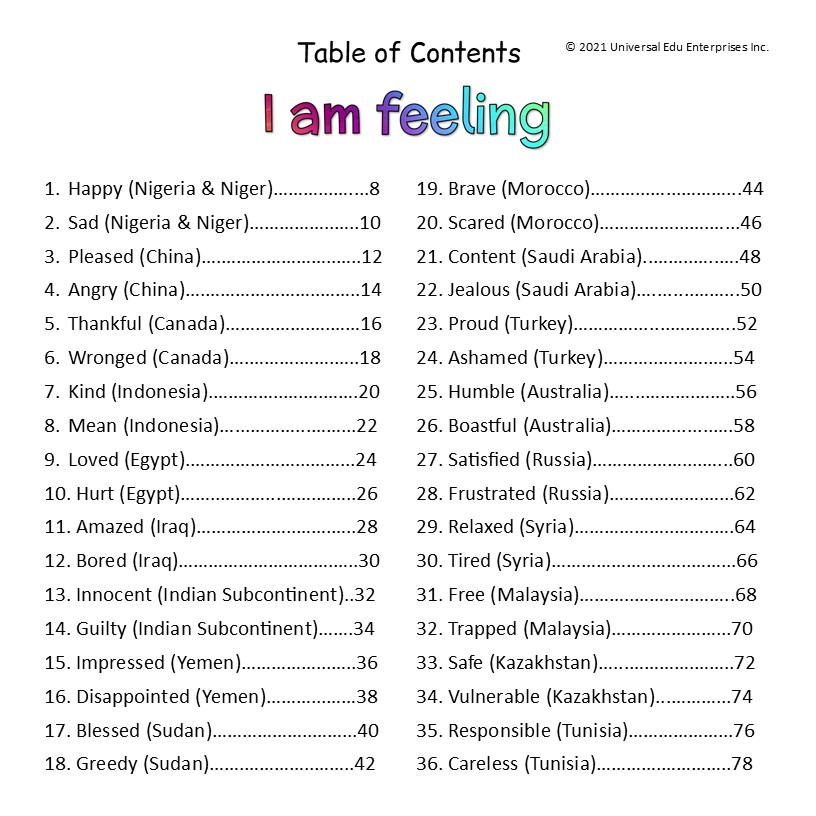
Assalamualaikum wa Rahmatullah! Have you ever found yourself feeling kind, generous, or warm-hearted—but unsure how to express it in words? Maybe it was a moment when you wanted to encourage a friend, brighten someone’s day, or just spread a little light into the world. That’s exactly what this video, “I am feeling kind. What can I say?”, is all about.
Kindness isn’t just something we feel—it’s something we do. And often, it starts with the words we choose. In this video, we explore simple but powerful phrases you can use when kindness fills your heart and you want to share it with others.
Why Words Matter
Words have the power to lift someone up, create connection, and even change a person’s day—or life. Whether you’re speaking to a friend, coworker, family member, or even a stranger, small acts of verbal kindness can ripple outward in ways you may never fully see.
When we feel kind towards someone, we should ask Allah (swt) to bless them by saying:
بارك الله فيك
Baarakallahu feek
May Allah bless you.
The best thing we can wish for someone when we are feeling kind towards them are Allah’s blessings! Remember, Allah (swt) is Kind to us. Allah (swt) says in the Qur’an:
Allah the Exalted has said:
إِنَّ اللَّهَ بِالنَّاسِ لَرَءُوفٌ رَّحِيمٌ
Verily, Allah is kind and merciful to the people.
(Quran: 2:143)
The Prophet (saw) was kind
Allah (swt) loves kindness in all matters (read). So we should strive to be kind in everything we do by dressing it up with gentleness and compassion. The Prophet (saw) and his companions used to be kind to each other and were in the habit of wishing Allah’s blessings upon each other. The Prophet (saw) would remind his (saw) companions to be kind:
Aisha reported: The Messenger of Allah, peace and blessings be upon him, said:
“O Aisha, Allah is kind and He loves kindness in all matters.”
(Sahih Bukhari 6528, Grade: Muttafaqun Alayhi)
A Simple Challenge
After watching the video, challenge yourself to use one of the phrases today. Whether it’s a quick message, a note, or a face-to-face compliment, you’ll be surprised how much impact you can have. And who knows? That one kind word might be exactly what someone needs to hear.
Watch the video now and let kindness speak through you.Watch the Video
May Allah make us among those who are kind to others so we can become worthy of Allah’s Mercy and Kindness. What kind words will you share today?
Assalamualaikum wa Rahmatullah! Were you ever wronged by someone? Feeling wronged is not such a good feeling to have. In this post, we will discuss feeling wronged. We will explore what to say and do when someone wrongs us.
We may feel wronged by someone when they hurt us. They might lie to us or say bad things about us behind our backs. We may feel wronged by someone when they pretend to be our friend. They might steal from us or they might not respect us. We may feel wronged by someone when they make fun of us or bully us. And there are so many other reasons that may make us feel wronged by someone! What makes you feel you were wronged by someone?
What should we say when we feel wronged by someone? When we feel wronged by someone, we should seek Allah’s help by saying the du’a below. This dua is related to us in the Quran. It was made by the people of Musa who sought Allah’s help. They asked Him to protect them from Firaun and his people. They sought protection from Allah against one of the biggest bullies on earth by saying this du’a!
So every time we feel wronged by someone, we should seek Allah’s protection. May Allah protect us from those who oppress and hurt others. May Allah not make us among those who oppress and hurt others. Remember, whenever you feel wronged by someone say
In Allah we have put our trust. Our Lord, do not make us victims of the oppressive people!
Let your healing begin!
If this post resonated with you, take a moment to reflect. Make du‘a. Share it with someone who might need this reminder today. Have thoughts, questions, or your own story to share? Drop a comment below — we’d love to hear from you. And if you’re looking for more Islamic guidance, subscribe to stay connected with our latest reflections and resources.
Assalamualaikum wa Rahmatullah! Did someone ever do something good to you and you wanted to thank them, in other words you felt thankful? Well, in this presentation, we will discuss feeling thankful or grateful to someone. We will also cover what to say and do when we feel thankful. Have you ever felt thankful towards someone?
We may feel thankful to someone when someone gives us a gift, or when someone does us a favor. We feel thankful when someone stands up for us. We appreciate it when someone helps us out. We are grateful when someone speaks well of us and is kind to us! And there are so many other reasons that we want to thank someone! What makes you feel thankful?
What should we say when we feel thankful to someone? When we feel thankful to someone, we should say jazakallahu khairan, May Allah reward you with goodness! The Prophet (saw) and the sahabah would say Jazakallahu khairan to each other whenever someone did any good to them. We must also understand that we are obligated to return good with good.
Allah says in the Qur’an (read):
هَلْ جَزَاء الْإِحْسَانِ إِلَّا الْإِحْسَانُ
Is there any reward for good other than good?
(Quran: Surat Rahmān, 60)
So, it is our duty to show our thanks and our gratefulness to others by saying Jazakallahu khairan!
The Messenger of Allah صلى الله عليه وسلم said,
“He who is not grateful to the people is not grateful to Allah.”
(Abu Dawud, #4811, The Book of Etiquette, Chapter 11; Tirmidhi, #1955)
May Allah grant us the company of people who are sincere and good to us. Remember, don’t forget to return the favor in a similar manner or better. If you are unable to do so, then at least express your thanks by saying جَزَاكَ ٱللَّٰهُ خَيْرًا (jazakallahu khairan)!
Assalamualaikum wa Rahmatullah! All of us feel angry sometimes. Anger is a natural response to a perceived threat. In this presentation, we will discuss feeling angry. We will explain what to say and do when we feel angry. These teachings were imparted to us by Prophet Muhammad (saw).
What makes us angry? We feel angry when someone hurts us, or when we are treated unfairly, and for so many other reasons. What makes you angry? Watch this video. It explores other reasons why we feel angry. Learn what to say and do when we feel angry.
What should we say when we feel angry? When we feel angry, we must first seek Allah’s (swt) help by saying, A’udhu billahi minash-shaytaan-ir-rajeem. The Prophet (saw) advised us to seek refuge in Allah (swt) from Shaytaan whenever we feel angry.
The Messenger of Allah (peace be upon him) has said, after seeing two people angry at one another: “I know a word which, if he were to say it, what he feels would go away; he needs to say:
اَعُوْذُ بِاللّٰہِ مِنَ الشَّیْطٰنِ الرَّجِیْمِ
A’udhu billahi minash-shaytaan-ir-rajeem.
I seek refuge in Allah from the cursed devil.
and all his anger would go away.”
(Sahih Bukhaari: Volume 6, 337)
Uncontrolled anger burns fiercely inside us and blinds us from seeing the truth. It also prevents us from behaving in a rational manner.
The Messenger of Allah (peace be upon him) has said:
“Anger is a smouldering ember that is kindled by Satan.”
(Biharul Anwar: Volume 73, Page 265)
Remember, the Prophet (saw) has said. A strong person is not the one who wins over another while wrestling. It is not someone who wins while fighting. The strong person is one who can control his or her anger. So, stay in control when angry by saying A’udhu billahi minash-shaytaan-ir-rajeem.
Assalamualaikum wa Rahmatullah! Have you ever felt pleased before? Feeling pleased is a good feeling to have. Why do we feel pleased? In this presentation, we will talk about feeling pleased. We will discuss what to say and do when we feel pleased. These teachings come from Prophet Muhammad (peace be upon him).
What makes us pleased? We may feel pleased when things are going well, when we do something right, and many other reasons. Watch this video. It explores other reasons why we feel pleased. It also suggests what to say and do when we feel pleased.
What should we say when we feel pleased? When we feel pleased we should say Alhamdu lillahi Rabbil ‘aalameen.
ٱلۡحَمۡدُ لِلَّهِ رَبِّ ٱلۡعَـٰلَمِينَ (٢)
Alhamdu lillahi Rabbil ‘aalameen
Praise be to Allah, Lord of the Worlds.
(Quran 1:2)
Allah (swt) reminds us throughout the Qur’an of the many blessings we enjoy from Him (swt). Allah (swt) states that we will never be able to count those blessings. We can never ever count all the ways Allah (swt) has blessed us. Therefore, we will never be able to thank Him enough. Allah’s Mercy and Graciousness guide us. He (swt) has shown us a way to thank Him that is acceptable to Him (swt).
وَإِن تَعُدُّواْ نِعْمَتَ اللّهِ لاَ تُحْصُوهَا
and if you count the Blessings of Allah, never will you be able to count them.
(Quran 14:34)
May Allah be pleased with us and allow us to experience pleasure in this life and the next, ameen! Remember, whenever you are pleased, don’t forget to be thankful to Allah (swt) by saying Alhamdulillahi rabbil aalameen!
We all experience sadness at some point in life, and it’s never a pleasant feeling. No one enjoys being sad. However, in His infinite wisdom, Allah (SWT) has created both happiness and sadness as part of our journey. These emotions help us truly appreciate the moments of joy we experience. Embracing both happiness and sadness allows us to understand the full spectrum of life and grow spiritually.
In this video, we will explore the feeling of sadness and what to say and do when we feel sad.
When you feel sad, we must first seek Allah’s (swt) help for it is Allah (swt) alone who can relieve us from our sadness. The Prophet (saw) would say the following whenever he felt distressed or sad.
يَا حَيُّ يَا قَيُّومُ بِرَحْمَتِكَ أَسْتَغِيثُ
Yaa Hayyu yaa Qayyoom, bi Rahmatika astagheeth
O Ever-Living One, O Everlasting One, by your mercy I seek help. are accomplished.
(Tirmidhi, Sunan 3600)
Allah (swt) says in Suratul Baqarah, verse 152, “Remember me and I will remember you.” So if we remember Allah (swt), Allah will remember us and help us out of our distress.
فَاذْكُرُونِي أَذْكُرْكُمْ
Remember me and I will Remember You.
(Quran 2:152)
Let’s not forget to all upon Allay when we feel sad. May Allah grant us relief from all types of sadness.
Assalamualaikum! Raise your hand if you’ve ever experienced true happiness! Feeling happy is one of the best emotions, and everyone wants to experience it. What brings you happiness? Watch this video to discover the power of happiness. Learn what to say when you feel happy. Explore what to do in moments of happiness. Join us in celebrating positive emotions and understanding the keys to happiness!
In this video, we will explore the feeling of happiness and what to say and do when we feel happy.
Prophet Muhammad (saw) would say الْحَمْدُ لِلَّهِ (Alhamdulillah) for good or bad. When the Messenger of Allah (peace be upon him) saw something he liked, he would say:
Alhamdulillāh alladhi bi ni’matihi tatim us-sālihāt
All praise and gratitude belong only to Allah by Whose blessing and favors good things are accomplished.
(Saheeh al-Jāmi’ 4727)
And if the Prophet (saw) disliked something he would say:
الْحَمْدُ لِلَّهِ عَلَى كُلِّ حَالٍ
Alhamdulillāh ‘ala kulli hāl
All praise and thanks belong only to Allāh in all circumstances.
(Saheeh al-Jāmi’ 4727)
We show our gratefulness to Allah by saying Alhamdulillah and the more we are grateful, the more Allah (swt) will increase the things that make us happy for Allah says in the Qur’an:
لَئِن شَكَرْتُمْ لأَزِيدَنَّكُمْ
If you are grateful, I will surely increase you (in favor)
(Quran 14:7)
Remember, don’t forget to say Alhamdulillah whenever you are happy! O’Allah grant us happiness every step of the way!
A four parts series on Ending the School Year on a Positive Note: Part 1 | Part 2 | Part 3 | Part 4
In this last of the 4 Parts series, Dr. Mohammed Saleem highlights the third and last lesson from Surah An Nasr that we can apply in our classrooms during the last days of school. The focus is on creating a hopeful mindset instead one of despair and classroom activities teachers can do to give hope to their students as we end the school year.
Use the guiding key questions below for self-assessment and to plan for the last days of school.
Watch the video to learn the answers to the following questions:
Why does Allah’s attribute of Al-Tawwab mean? How did it give hope to the Prophet (saw) as he was nearing the completion of his mission?
Why is it important to give hope to students as the school year comes to an end?
What classroom activities can we do to give hope to our students?
Key Questions for End of Year
Use these key questions for self-assessment and to make a plan for the last days of school.
Relationships
How well did I connect with Allah (swt) this year?
How well did my students connect with Allah (swt) this year?
How well did my students and I connect with each other?
How well did my students connect with each other?
How well did I connect with my colleagues? With the admin?
Did I appreciate those who volunteered for me?
Do I have a plan to recognize/appreciate/celebrate student achievements? (informal awards)
What key messages do I need to share with my students?
What key messages do I need to share with my parents? With colleagues?
What is my plan to help each other forgive, forget, and move on? (Dua day)
Reflections
Did I survey the students for feedback? Favorite lessons, activities, least favorite, why?
Did I survey the parents for feedback?
Do I plan to revisit my lessons and classroom activities to determine what to use and modify for next year?
Did I like my classroom management plan? What worked, what didn’t work so well?
Did I accomplish everything I needed to?
Did I teach the topics in a good order?
How well did my lesson and activities align with the Tarbiyah framework?
What were some of the frustrations in my life, in my classroom, or in my building that I may have to address to make next year more enjoyable?
What was my favorite moment?
What did I learn about teaching this year?
Did I have a good work/personal life balance?
Next year I would like to do more . Next year I would like to do less _.
Next year I would like to try _.
Learning
Do I have a clear student assessment plan? Do I have enough sources of evidence for assessment?
Did I communicate academic expectations with my students?
Did I communicate with parents so they do not receive any unpleasant surprises?
Did I have a plan for students missing assignments?
Did I submit the final marks for all students?
How am I going to formally recognize students for their achievements? (student awards, etc.)
Am I going to ask students to create a Learning Transfer Map (LTM)? What knowledge and skills do I need to take with me for next year?
Organizational
Should I review student jobs to make sure they are aligned for the last days of school? (maybe focus more on clean up, organization, etc.)
Did I re-organize my teacher resources and secure them so it is easier upon my return and/or to hand over? (think of sadaqah jaariyah)
Did I take an inventory of all items (textbooks, supplies, etc.)?
Did I return all the items that I checked out? (library, office keys, parking permits, etc.)
Do I have a plan for students to clean their belongings and take them home?
Did I secure the furniture, equipment, and other supplies?
Did I clean up and re-organize my computer, emails, Google classroom (archive), any other e-resources I was using and get them ready for next year?
Did I leave a vacation reply on my school email?
Extending
How can I extend my students’ learning during the summer to avoid the summer slump? (summer bucket list, summer learning package, etc.)
Do I have a plan for my own self-development? Taking a course, reading a book, etc.?
Next Year
Did I finalize and submit a class supply list for next year?
Did I communicate to the school admin what I need for next year?
Did I complete and submit the EOY report?
Last Days
Do I have a set of activities for the last days of school? Gallery walks, check-ins, etc.
How am I leveraging the school wide activities to keep students engaged?
Do I have a plan for the last day of school?
Don’t forget to share your own ideas on ending the school year on a positive note in the comments below.
Cookie Consent
We use cookies to improve your experience on our site. By using our site, you consent to cookies.
Contains information related to marketing campaigns of the user. These are shared with Google AdWords / Google Ads when the Google Ads and Google Analytics accounts are linked together.
90 days
__utma
ID used to identify users and sessions
2 years after last activity
__utmt
Used to monitor number of Google Analytics server requests
10 minutes
__utmb
Used to distinguish new sessions and visits. This cookie is set when the GA.js javascript library is loaded and there is no existing __utmb cookie. The cookie is updated every time data is sent to the Google Analytics server.
30 minutes after last activity
__utmc
Used only with old Urchin versions of Google Analytics and not with GA.js. Was used to distinguish between new sessions and visits at the end of a session.
End of session (browser)
__utmz
Contains information about the traffic source or campaign that directed user to the website. The cookie is set when the GA.js javascript is loaded and updated when data is sent to the Google Anaytics server
6 months after last activity
__utmv
Contains custom information set by the web developer via the _setCustomVar method in Google Analytics. This cookie is updated every time new data is sent to the Google Analytics server.
2 years after last activity
__utmx
Used to determine whether a user is included in an A / B or Multivariate test.
18 months
_ga
ID used to identify users
2 years
_gali
Used by Google Analytics to determine which links on a page are being clicked
30 seconds
_ga_
ID used to identify users
2 years
_gid
ID used to identify users for 24 hours after last activity
24 hours
_gat
Used to monitor number of Google Analytics server requests when using Google Tag Manager